
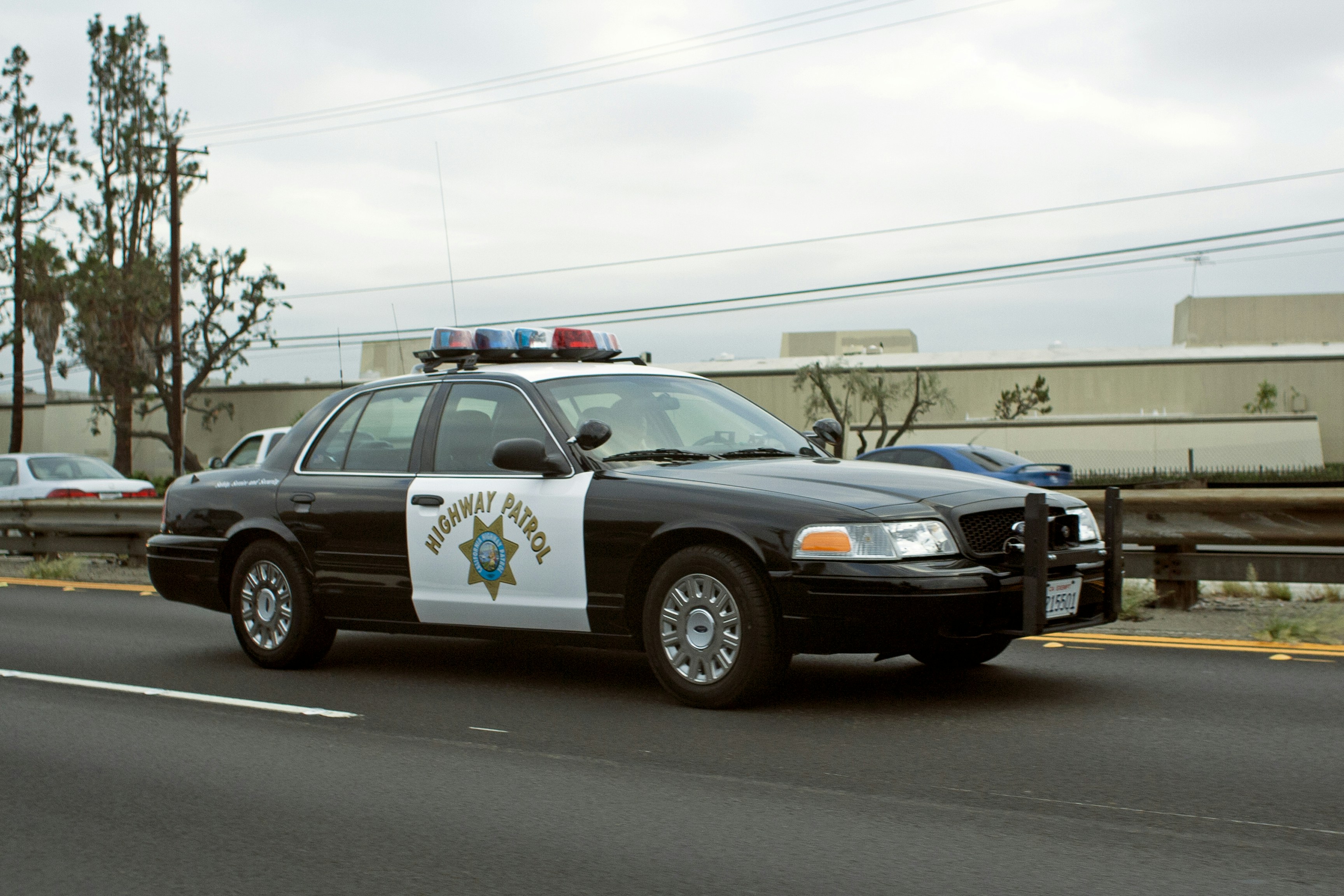
After a car accident in California, one of the most important documents you’ll need for your injury claim is the police report. Insurance companies rely heavily on it to determine fault, verify injuries, and evaluate damages. Without it, your claim becomes significantly harder to prove.
This guide explains exactly how to get your California police report, how long it takes, how much it costs, and what to do if the report contains errors.
1. How to Get Your Police Report Through the California Highway Patrol (CHP)
If your accident was handled by CHP, you can request your report directly through their official portal.
How to Request Your CHP Report
You can submit your request here: CHP Collision Report Request
What You’ll Need
- Date and location of the crash
- Your driver’s license
- Your case or incident number (if available)
- Proof of involvement (registration, insurance, etc.)
How Long It Takes
CHP reports typically take 7–14 days to become available.
2. How to Get a Police Report From a Local Police Department
If your accident occurred within city limits, the responding local police department will handle the report.
How to Request It
Visit the department’s website and look for:
- “Traffic Collision Report”
- “Accident Report Request”
- “Public Records Request”
Most departments allow:
- Online requests
- In‑person pickup
- Mail‑in requests
Cost
Most California police departments charge $10–$25 per report.
Pro Tip:
If you don’t know which agency responded, check your exchange slip or call the non‑emergency line for the city where the crash occurred.
3. How to Get Your Accident Report Online (Fastest Option)
Some California agencies allow you to request your report through third‑party portals like LexisNexis or BuyCrash.
These platforms allow you to:
- Search by name
- Search by date
- Download instantly once available
Why This Is Useful
Online portals are often the fastest way to get your report, especially if you need it for an insurance claim.
4. What If the Police Report Is Wrong?
Police reports are not perfect — and errors happen more often than people realize.
Common mistakes include:
- Wrong vehicle positions
- Incorrect statements
- Missing witnesses
- Wrong insurance information
- Fault assigned incorrectly
What You Can Do
You can request a supplemental report or submit a written statement to the agency.
Learn more about California accident fault rules here: California Courts – Negligence Overview
If the report is hurting your claim, speak with a lawyer immediately.
5. Do You Need a Police Report to File a Claim?
Technically, no — but practically, yes.
Insurance companies heavily rely on police reports to:
- Verify fault
- Confirm injuries
- Validate statements
- Establish timelines
Without one, the insurer may:
- Delay your claim
- Deny liability
- Offer a lower settlement
If you were injured, visit our Car Accident Lawyer page:
6. How Long Do You Have to Request a Police Report in California?
There is no strict deadline, but reports are easier to obtain within the first 6–12 months.
However, your injury claim does have a deadline — California’s statute of limitations. Learn more here:
7. What If No Police Came to the Scene?
You can still file a report yourself.
How to File Your Own Report
California DMV requires you to file an SR‑1 Report if:
- Anyone was injured
- Anyone was killed
- Property damage exceeds $1,000
You can file it here: California DMV SR‑1 Form
8. When to Contact a Lawyer About Your Police Report
You should speak with a lawyer if:
- The report is wrong
- The other driver is lying
- Insurance is denying your claim
- You suffered injuries
- You’re unsure how to get the report
Infinity Law Group can obtain the report for you and handle all communication with insurance.
Get Help With Your California Police Report Today
If you were injured in a California car accident, Infinity Law Group can help you get your police report, correct errors, and build a strong case for maximum compensation.
Contact us today for a free consultation:
.png)

.png)
.png)

